
 TR
TR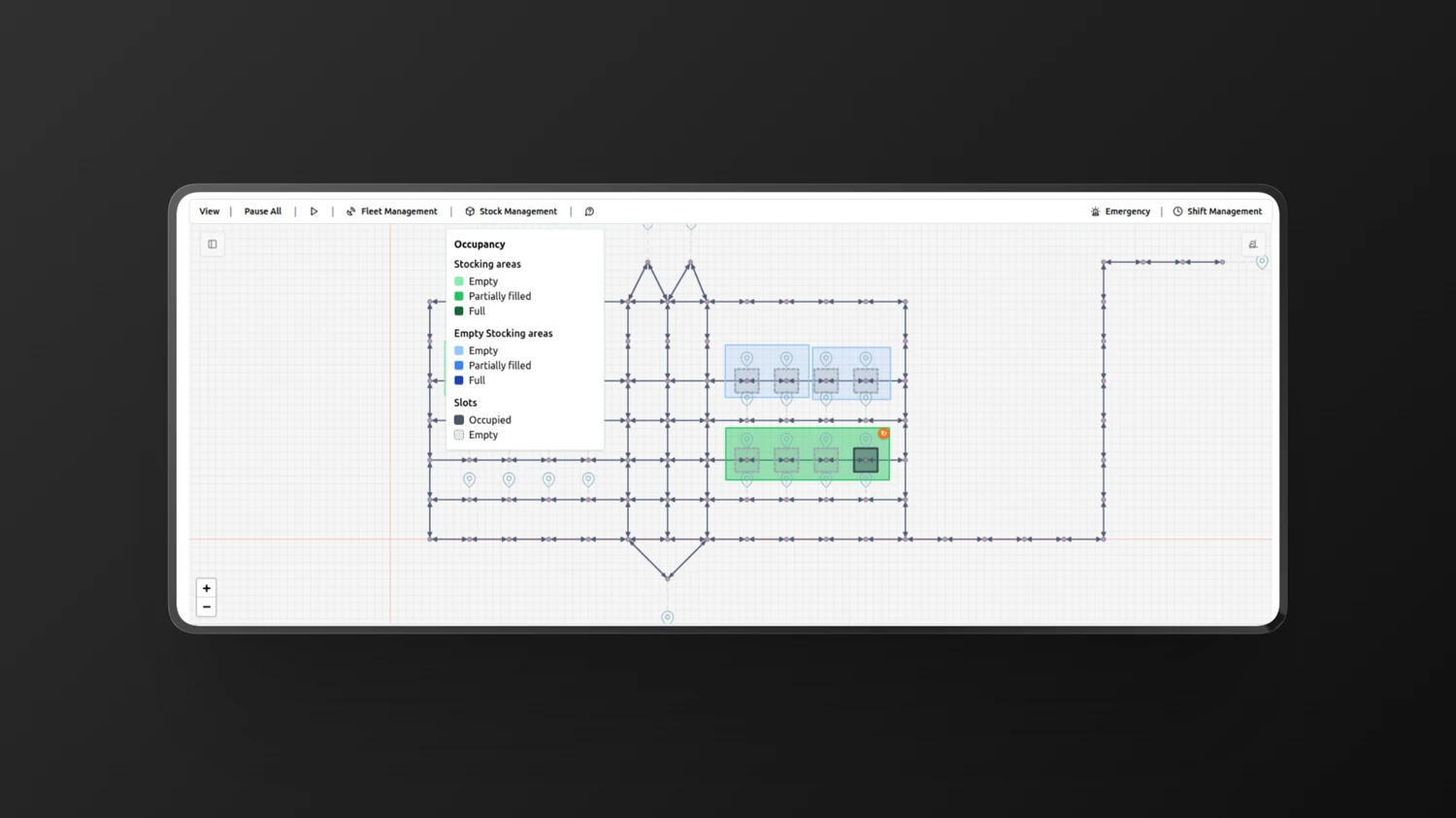
When it comes to digital transformation projects, the focus often shifts to production lines, automation, robotics or data analytics. However, when looking at real shop floor operations, one of the most important factors directly affecting manufacturing performance is often overlooked: inventory management.
Today, many manufacturing companies know how much inventory they hold. However, that is no longer the critical question.
The real question is:
How much visibility do you have into the impact of your inventory on your manufacturing processes?
In smart factories, competitive advantage is not gained simply by collecting more data. The real differentiator is the ability to turn inventory data into meaningful insights and make it part of operational decision making.
That is why inventory management in modern manufacturing facilities is no longer viewed as a traditional warehouse operation. It has become one of the core components of a successful digital transformation strategy.
Why Is Inventory Management at the Center of Digital Transformation?
For manufacturing operations to run according to plan, it is not enough for machines to be operational.
The right material must be:
- available at the right time
- available in the right quantity
- available in the right location
However, in many organizations, managers cannot quickly answer critical questions such as:
- Where is a specific material located right now?
- Which inventory items have not moved for a long time?
- Which critical components are exposed to supply risks?
- What is the actual inventory level on the shop floor?
- Do system records accurately reflect what is happening in the field?
This lack of visibility impacts not only warehouse operations but also overall manufacturing performance.
Why Is Inventory Visibility Critical in Manufacturing?
In today’s data driven manufacturing environment, companies want to monitor not only inventory quantities but also inventory movements.
This is because unseen inventory movements create a variety of operational challenges.
Production Downtime
A major equipment failure is not required to stop a production line.
A material stored in the wrong location or a component that does not arrive on time can have exactly the same effect.
Excess Inventory
When uncertainty increases, companies often increase their safety stock levels.
The result is:
- more capital tied up in inventory
- higher storage costs
- more complex operations
Operational Inefficiency
In many manufacturing facilities, employees still spend a significant portion of their time searching for materials, verifying inventory, or filling information gaps.
This directly reduces productivity and operational efficiency.
Real Time Inventory Tracking in Smart Factories
Real time visibility is at the heart of the smart factory approach.
Management teams no longer want to wait for monthly reports.
They want instant access to:
- critical inventory levels
- material movements
- consumption trends
- location based inventory information
- production related risks
With real time inventory tracking, businesses do more than monitor current conditions. They gain the ability to identify potential issues before they become problems.
This capability is especially valuable in digital factory initiatives.
From Inventory Management to Operational Intelligence
Traditional inventory management systems tell you what happened.
Operational intelligence helps you understand why it happened.
For example:
- Why is the consumption rate of a specific product group decreasing?
- If excess inventory consistently accumulates at a certain location, what process issue might this indicate?
- What bottlenecks could be causing materials to wait in production areas?
The answers to these questions come not only from collecting data but from transforming data into meaningful insights.
That is why successful organizations today view inventory management as an integral part of operational decision making.
The New Role of Inventory Management in Smart Factories
In the past, the primary purpose of inventory management was stock counting.
Today, expectations are very different.
In modern factories, inventory management helps organizations:
- measure operational performance
- identify process improvement opportunities
- support production planning
- improve data accuracy
- optimize resource utilization
As a result of this transformation, inventory management has become a strategic priority not only for logistics teams but also for digital transformation leaders.
Strengthening Inventory Visibility with Bluepath Robotics
Bluepath Robotics develops technologies that increase visibility across manufacturing and intralogistics operations. The company focuses not only on material transportation but also on the management of material data.
From autonomous mobile robots to warehouse automation, reliable and up to date data is essential for making the right decisions across every stage of the operation.
The Dynamic Stock Manager solution addresses this need by enabling businesses not only to track inventory but also to generate operational insights from inventory data.
With Stock Manager, organizations can:
- improve inventory visibility
- increase inventory accuracy
- enable location based tracking
- reduce manual processes
- support operational decisions with accurate data
As a result, inventory management evolves from a passive record keeping system into a strategic management tool that supports digital transformation.
The Future of Digital Factories Depends on Visibility
Competition in the manufacturing sector is becoming increasingly data driven.
However, competitive advantage does not come from collecting data alone.
The organizations that succeed are those that can:
- know exactly what is located where
- monitor inventory movements
- measure and evaluate their processes
- turn data into meaningful insights
For this reason, inventory management in smart factories is no longer limited to warehouse operations. It is now recognized as an essential element of digital transformation, operational excellence, and sustainable growth.
Organizations that can transform inventory data into operational intelligence will gain a significant competitive advantage in the manufacturing landscape of the future.


